Category: Reports

  • Seaweed farming offers benefits, but regulatory gaps pose ecological risks

    Reposted – Original Article here.*

    From sea lettuce adorning tidal pools and bull kelp left in windrows at the high tide line to towering underwater forests of giant kelp providing refuge and food for countless species, British Columbia’s seaweeds are both ubiquitously prominent along shorelines as well as hidden from sight in the deep.

    With iconic species like salmon, whales and bears dominating popular attention and imagination, B.C.’s seaweeds are often easy to overlook. Now, however, the province’s suitability for growing seaweed is attracting attention at a time when seaweed aquaculture is becoming recognized for its potential to yield many benefits.

    Our team recently reviewed how well-suited the province’s existing regulations are for managing the potential ecological effects of a B.C. seaweed aquaculture industry.

    Seaweed aquaculture

    A primary attraction of seaweed is that grows with minimal intervention from people. It requires no fertilization or hormones, no light or temperature control, no warming or cooling and no herbicides or pesticides.

    Seaweed aquaculture therefore sidesteps many of the main concerns around conventional agriculture and aquaculture. It can grow remarkably quickly and can be used in a range of products, from food to cosmetics and bioplastics.

    Replacing petroleum-derived products with seaweed-based alternatives could yield real climate benefits by cutting greenhouse gas emissions, a rare win-win-win scenario with economic, ecological and climate benefits.

    This is particularly relevant for many coastal First Nation communities with limited economic opportunities. With this potential, it’s not surprising that seaweed aquaculture is being promoted for its potential to contribute to both human well-being and global sustainability objectives.

    Seaweeds also provide diverse ecological benefits, including reductions in harmful algae blooms and eutrophication. However, seaweed aquaculture is not without risks.

    Without safeguards, operations could introduce pathogens and non-native species, disrupt the genetics of wild species and intensify competition for sunlight and nutrients. The good news is that with the right measures in place, such negative impacts are avoidable.

    Gaps in the existing regulations

    As the industry in B.C. grows, the patchwork of partially relevant legislation under which it is regulated has exposed several important gaps that need to be addressed.

    The first challenge is that although four government agencies are involved in regulating seaweed aquaculture in B.C., none have a specific mandate. This makes existing regulations largely indirect.

    B.C.’s Ministry of Water, Land and Resource Stewardship derives its mandate from the province’s Fish and Seafood Act that’s focused on food safety, and so only applies to seaweeds grown for human consumption. However, all mariculture leases require a tenure from the B.C. Ministry of Agriculture.

    Federally, Fisheries and Oceans Canada (DFO) and Transport Canada are respectively concerned with the health of fish and fish habitat, and transportation safety. Neither includes the management of ecological impacts of seaweed aquaculture in their mandates. These agencies also collectively consult local First Nation governments when considering seaweed aquaculture tenures in their territories.

    Considering that processing seaweeds for non-human uses may represent the most promising pathways for reducing emissions, the regulatory vacuum for such scenarios will become increasingly important as the industry develops.

    There is also the question of who’s responsible for seaweed aquaculture in offshore waters beyond 12 nautical miles from shore, since territorial waters extend only to this point, while Canada’s exclusive economic zone extends to 200 miles. But with no offshore mandate from either the provincial or federal government, the answer, currently, is no one.

    This jurisdictional gap may become important in the future. Offshore farms have been evaluated for their potential to yield climate benefits and are being actively researched and promoted in the United States.

    When these puzzle pieces are put together, there is one big missing piece – B.C. needs a single entity responsible for managing the growth of the industry, ensuring it benefits coastal communities and preventing potential negative ecological effects. Policy alone will not fill this gap. Updated legislation is needed to support and manage both the potential benefits, and risks of this emerging industry.

    A well-managed seaweed aquaculture industry would support the goals of B.C.’s Coastal Marine Strategy, and legislation to enable sound regulation would therefore be consistent with and supportive of the province’s vision for the coast.

    The provincial and federal governments have an opportunity to ensure the seaweed aquaculture industry lives up to its potential while avoiding the mistakes of big agriculture. Both levels of government must work together, and in close collaboration with First Nations, to develop legislation to prevent future adverse ecological impacts.

    *This article first appeared in The Conversation.

  • Statement from SeaChoice on USTR Findings Regarding Forced Labour Import Enforcement 

    Statement from SeaChoice on USTR Findings Regarding Forced Labour Import Enforcement 

    On June 3rd, 2026 the United States Trade Representative (USTR) released findings from investigations into 60 countries regarding their efforts to prohibit the importation of goods made with forced labour. The findings revealed Canada is failing to effectively enforce its existing import ban. The U.S. is proposing a 10 percent tariff for goods other than those covered under the Canada-US-Mexico Agreement.  

    While SeaChoice does not support the proposed tariff, the findings highlight the critical role of traceability in enforcing Canada’s existing ban on imports made with forced labour. The investigation revealed that Canadian Border Services Agency had checked a mere 50 shipments between 2020 and 2026, prohibiting only two (one of which was seafood). By contrast, between 2022 and 2026, the U.S. detained 41,850 shipments, prohibiting roughly half. While the U.S. volume of trade is substantially higher than Canada’s, they are clearly tracing far more suspect shipments than the Canadian Border Services Agency has done.  

    In the seafood sector, traceability is particularly significant. Seafood supply chains are recognized internationally as vulnerable to labour abuses, including forced labour, human trafficking, and other forms of worker exploitation. At the same time, seafood products often pass through multiple vessels, processors, traders, and countries before reaching consumers, making supply-chain transparency essential for effective oversight.  

    SeaChoice has long campaigned and continues to push for stronger laws and policies that would allow the government to identify and trace products through complex global supply chains. When products cannot be traced through the supply chain, authorities have limited ability to verify production conditions or determine whether forced labour was involved. Strengthening seafood traceability and import controls would provide regulators with better tools to assess supply-chain risks, support responsible businesses, improve consumer confidence, and enhance the implementation of existing laws intended to prevent products linked to forced labour from entering the Canadian market. 

    Following the release of the findings, the Canadian government responded and noted there would be upcoming amendments to the forced labour-related legislation. SeaChoice looks forward to engaging with these proposals when tabled.  

  • Seafood Working Group Letter to Companies on Addressing Forced Labour Risks in MSC-Certified Fisheries

    Seafood Working Group Letter to Companies on Addressing Forced Labour Risks in MSC-Certified Fisheries

    SeaChoice is a signatory on the following letter originally published at https://globallaborjustice.org/news/seafood-working-group-letter-to-companies-on-addressing-forced-labour-risks-in-msc-certified-fisheries/

    March 2026

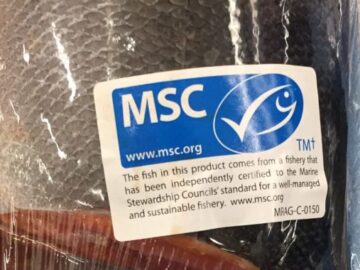
    We, the Seafood Working Group (SWG), representing labour, human rights, and environmental organisations, write to express our deep concern regarding company sourcing practices that rely on Marine Stewardship Council (MSC) certification. 

    The recent Financial Times exposé, “The dark truth behind supermarket tuna,” revealed that several major retailers in the United Kingdom source tuna from MSC-certified distant-water fisheries where fishers experience forced labour conditions. These include physical violence, withheld pay, confiscation of identity documents, excessive working hours, extremely prolonged periods at sea without port access or access to communication, and inadequate medical care.

    The Financial Times exposé demonstrates, in real terms, how seafood produced under forced labour conditions continues to enter retail markets because of company sourcing practices that rely on MSC certification. Due to insufficient structures, processes, and policies, the MSC continues to certify high-risk fisheries where forced labour indicators are present. Despite this, retailers’ and seafood companies’ sourcing policies are environmentally framed and lack meaningful labour-rights criteria, allowing MSC certification to be treated as sufficient justification for sourcing decisions (see footnote). As a result, companies—such as those implicated in the United Kingdom—source from high-risk distant-water fleets on the basis that those fleets are MSC-certified. 

    In response to public criticism of its model, the MSC has recently stated that it has removed third-party labour audits from its pre-entry certification requirements at the processing level, citing concerns about their effectiveness in identifying forced and child labour. In announcing the change, which the MSC describes as its “evolving approach to forced and child labour,” the MSC asserts that it will now support businesses in meeting their own human rights due diligence obligations under the UN Guiding Principles on Business and Human Rights (UNGPs) and OECD Guidelines for Multinational Enterprises on Responsible Business Conduct (OECD Guidelines). Given that the MSC describes its mandate as ending overfishing, it is unclear how it could support companies in meeting human rights due diligence obligations, which include labour and human rights impacts.

    The SWG’s position is that the MSC’s revised approach will not reduce any risk of forced labour at the vessel level, and therefore the reputational and legal risk companies face from sourcing MSC-certified seafood are still present. The MSC will likely continue certifying seafood produced under forced labour conditions, as the underlying reasons this occurs, as raised in the SWG’s open letter in February 2025, have not been addressed. These include:  

    • MSC’s Reliance on Unverified Self-Reports Fails to Address Systemic Labour Abuses
      Through its social policies and processes, MSC continues to rely on unverified, company self-declarations regarding labour and human rights risks in certified fisheries. These self declarations do not reflect actual conditions on fishing vessels and fail to identify or prevent systemic forced labour and exploitation in certified fisheries.
    • MSC Continues to Certify Vessels Facing Forced labour Allegations
      The MSC continues to only exclude vessels from its programme following formal conviction and does not suspend certification where there is credible evidence or ongoing investigation of forced labour. This allows seafood produced under exploitative conditions to continue entering markets as MSC-certified, as evidenced by the cases featured in the Financial Times article. 
    • MSC’s Business Model Creates an Inherent Conflict of Interest for Effectively Addressing labour and Human Rights Abuses
      The MSC derives 93.6% of its revenue from logo licensing on certified products, creating a structural incentive to retain fisheries within its programme even where labour abuses have been reported. 

    Moreover as SWG members and letter signatories have previously asserted:

    • Supermarket Sales of MSC-Certified Products Produced under Forced Labour Conditions Betray Consumer Expectations 

    It is not transparent to all stakeholders, particularly consumers, that seafood certified by MSC can be produced under conditions of forced labour and exploitation. By relying on MSC certification as sufficient justification for sourcing decisions, retailers create a risk that consumers may unknowingly purchase seafood linked to forced labour conditions, contrary to their ethical expectations, purchasing preferences, and the standards they reasonably expect supermarkets to uphold.

    As the SWG previously outlined in its open letter to the MSC in February 2025, “relying solely on the MSC ecolabel for sourcing decisions without considering labour issues exposes both workers and companies to risks.” To address these risks, companies must take responsibility for ensuring that their sourcing practices incorporate labour rights criteria and do not depend solely on certifications such as the MSC. To achieve this at minimum, companies must commit to the following:

    • End Reliance on MSC Certification as Evidence of Responsible Sourcing Companies must end the practice of using MSC certification as the principle justification for sourcing decisions and ensure that meaningful labour and human rights criteria also drive sourcing choices and are subsequently clearly outlined in company policies. 
    • Ensure Human Rights Due Diligence Is Applied Independently of MSC Certification
      In our view, MSC does not have the expertise to act as a credible partner to companies in assisting with the implementation of Human Rights Due Diligence (HRDD) consistent with the UNGPs and OECD Guidelines. In addition, emerging due diligence regulations increasingly recognise that certifications schemes are insufficient to meet HRDD requirements. For example, the EU’s Corporate Sustainability Due Diligence Directive does not permit companies to use certifications as proof of fulfilling due diligence obligations nor to provide a safe harbour from liability.  As such, companies should not rely on or engage with the MSC for the purpose of fulfilling their HRDD obligations. Under these standards, companies retain ultimate responsibility for conducting and cascading HRDD throughout their supply chains, meaningfully engaging with workers, ensuring the prevention, identification, and mitigation of human rights impacts — including forced labour — and effectively addressing harms they cause or contribute to.
    • Move Beyond MSC Certification by Adopting Legally Binding Solutions with Independent, Democratic Trade Unions to Protect Labour Rights Because MSC has been shown to certify seafood products produced under forced labour conditions, MSC certification should not be used as the sole justification for sourcing decisions. Instead, companies must move beyond voluntary certification frameworks by adopting legally binding mechanisms with independent, democratic trade unions to protect labour rights. Mechanisms such as Collective Bargaining Agreements (CBAs), democratic union engagement, and, where relevant, Enforceable Brand Agreements (EBAs) remain the most effective methods for preventing forced labour. Where unionisation is not possible — such as where national legal restrictions apply — companies should establish legally binding agreements with democratic worker organisations.

    These steps are essential given the clear evidence that labour abuses persist in MSC-certified fisheries. Companies must ensure that their sourcing practices proactively protect fishers’ rights, and cease to rely on certification systems that fail to detect or address forced labour.

    Sincerely,

    The Seafood Working Group 

    Footnote: Sustainability claims made by the MSC and companies reliant on the certification have been consistently challenged by environmental NGOs, and concerns regarding the certification of unsustainable fisheries have been documented by organizations such as On the Hook, Make Stewardship Count, Bloom, and Shark Guardian

  • Aquaculture’s role in the growing threat of antimicrobial resistance

    Aquaculture’s role in the growing threat of antimicrobial resistance

    Antimicrobial resistance (AMR) is often described as a “silent pandemic”. Unlike a fast-moving viral outbreak, AMR spreads gradually with bacteria evolving and adapting until the medicines we rely on no longer work. The consequences are profound. AMR contributed to an estimated 4.95 million deaths in 2019. These numbers are expected to increase to 8-10 million deaths by 2050. AMR now threatens routine surgery, cancer treatment, and infection control.  

    Human activities, including the widespread use and misuse of antibiotics in human medicine, livestock production, and aquaculture, have dramatically accelerated AMR. In response, the World Health Organisation (WHO) has established the One Health initiative – linking human health, animal production and environmental systems. Aquaculture sits squarely within that nexus. 

    Aquaculture, antibiotic use, and how AMR enters our food supply 

    As with any intensive animal production system, disease outbreaks can and do occur. Antimicrobials have therefore been used in aquaculture for treatment and, in some cases, for prevention. 

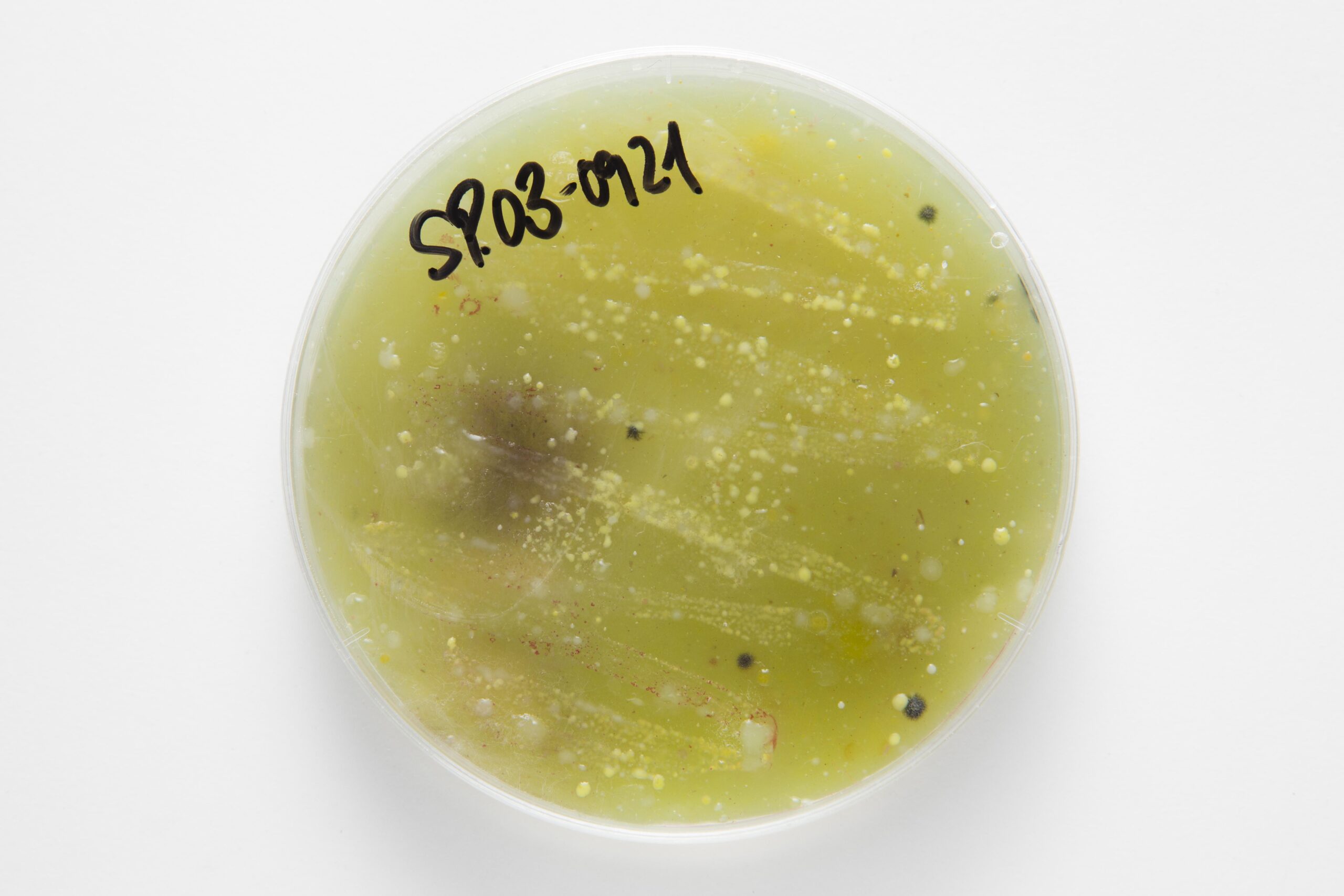
    What makes aquaculture distinct is its environmental interface. Aquaculture operations are often open or semi-open systems. When medicated feed is used, some antibiotics pass into surrounding waters and sediments. This creates ecological conditions where resistant bacteria and antimicrobial resistance genes can emerge and persist. 

    Research has shown that aquaculture environments can act as reservoirs and amplification points for resistance genes. But how does this connect to human health? 

    There are three main pathways by which AMR linked to aquaculture may reach seafood consumers: 

    1. Direct exposure to resistant bacteria: Farmed seafood can carry bacteria naturally present in aquatic environments, including species such as Vibrio, Aeromonas, and occasionally E. coli. If these bacteria are resistant to antibiotics, and if seafood is eaten raw or undercooked, humans may be directly exposed. Even when cooking kills bacteria, improper handling – such as cross-contamination in kitchens – can transfer resistant microbes to other foods.   
    2. Transfer of resistance genes in the gut: Resistance genes do not need to arrive in a fully pathogenic bacterium to pose a risk. Many bacteria exchange genetic material through horizontal gene transfer. If resistant bacteria from seafood enter the human gut, they may pass resistance genes to other bacteria, including opportunistic pathogens. 
    3. Antibiotic residues and selective pressure: Antibiotic residues in seafood products can contribute to low-level exposure in humans.  

    Together, these pathways illustrate why AMR in aquaculture is not confined to farm boundaries. It can move along supply chains and into human microbial ecosystems. 

    The most found farmed seafood in Canadian grocers are farmed salmon, both domestic and imported (e.g., Chile), and imported shrimp from various countries.   

    In Canada, salmon farming primarily uses the antibiotics oxytetracycline and florfenicol. These are considered ‘highly important’ antibiotics by the WHO. Highly important antibiotics are considered medically essential for treating serious human infections, with few or no other alternatives. On average, a B.C. salmon farm will use 1.3 antibiotics per year. Resistance genes associated with these antibiotic classes have been detected in sediments near B.C. and Atlantic farms.  

    Imported salmon from Chile has the highest antibiotics use of all salmon farming regions globally with approximately 351 tons used in 2024. This is mostly driven by the ‘highly important’ antibiotics, oxytetracycline, and florfenicol. Like Canada, resistant bacteria and resistance genes have been detected in farm environments and surrounding sediments. 

    Canada imports farmed shrimp from countries such as China, India, Vietnam, Thailand and Ecuador. Because shrimp are not widely vaccinated, bacterial disease has historically driven antibiotic use in some regions – particularly the recurrent use of oxytetracycline and florfenicol. Prohibited or off label use of fluoroquinolones has also been documented. Similarly to salmon, studies show that antibiotics used in shrimp ponds can accumulate in sediments and that resistance genes are detectable in surrounding ecosystems. 

    Antimicrobial resistance is not solely a hospital problem. It is shaped by how we produce food – including seafood. AMR requires a commitment to antimicrobial stewardship across seafood supply chains – from producers to major retailers. That’s why SeaChoice member group, Living Oceans, has teamed up with McGill University’s Antimicrobial Resistance Centre and World Animal Protection on a study to find out the prevalence of AMR within farmed salmon and shrimp sold in Canadian retailers. Stay tuned! 

  • Open Letter to Federal Parliamentarians to remove “Henry the VIII” exemption powers from Budget Bill C-15

    Reposted – Original Article Here*

    More than a hundred prominent law and human rights experts, labour, sector leaders and civil society organizations warn the proposed amendments to the Red Tape Reduction Act in Bill C-15 set Canada on a dangerous anti-democratic track. 

    Dear Members of Parliament: 

    The resilience of Canadian democracy and the rule of law is not unshakeable. It is fragile and precious, and it is arguably the most pivotal tool we can wield to protect ourselves and our communities when both our sovereignty and economy are under threat. Yet, Bill C-15, which the federal government has espoused as its answer to the economic attacks that Canada is facing, contains a major threat to the very constitutional underpinning that ensures a thriving democratic governance system. 

    Buried on page 300 of a more than 600-page long budget implementation bill is a constitutional abomination. Part 5, Division 5 of this bill introduces draconian powers that allow federal ministers to exempt any individual, company or government (including its own federal departments) from the application of any federal law or regulation. No legislation is safe, except the Criminal Code. Not our labour standards. Not our health and safety regulations. Not laws that uphold Indigenous rights and sovereignty. Not environmental protection laws. And not even laws that protect our security and privacy. 

    These “Henry the VIII” powers — which refer to the ability of the executive (here, ministers) to unilaterally change an act of Parliament — are an affront to the separation of powers: the constitutional architecture that ensures a system where Parliament makes laws, the executive implements them, and the courts interpret them. This balance is a hallmark of a thriving Canadian democracy and one that will define how we as a country resist a troubling trend of democratic decline that we observe around the world.  

    As many legal experts asserted in testimonies and submissions in the Parliamentary and Senate committee hearings on Bill C-15, the proposed changes to the Red Tape Reduction Act cannot be characterized as “regulatory sandboxing.” They are in fact a dramatic departure from the common regulatory sandbox approach in Canadian law, which temporarily creates targeted, tightly controlled and highly transparent environments that enable the testing of new technologies to better understand their impacts — including how to regulate them. If passed, the amended Red Tape Reduction Act would introduce vague and overbroad notions like “competitiveness” and “economic growth” as legitimate reasons for exemptions from any Act of Parliament. Left for the interpretation of the minister that wants to wield them, these terms can mean anything. 

    These exemption powers do not streamline regulation — they dynamite the rule of law itself by creating a two-tier legislative system whereby laws debated and enacted by Parliament can be suspended for political convenience with little to no accountability or transparency. 

    We call on you to stand up for Canada’s democratic tradition and advocate for the removal of Part 5, Division 5 of Bill C-15. These powers, if passed, have the potential to undermine decades of law-making by Parliament and suspend laws that were intentionally designed by you and your colleagues — past and present — to protect our families, our public health, our security, the air that we breathe, our iconic endangered species, and issues that your constituents cherish. They will set Canada on the wrong path toward a weaker Parliamentary democracy, with potentially catastrophic implications.  

    We urge you to stand up for the Parliament and people you serve. Stand up for the rule of law. Stand up for the constitutional order that can protect our democracy.  

    Remove Part 5, Division 5 from Bill C-15. 


    List of signatories:

    Canadian Civil Liberties Association
    CQDE – Centre québécois du droit de l’environnement
    Ecojustice
    David Asper Centre for Constitutional Rights
    Canadian Labour Congress
    Alex Neve, O.C., Senior Fellow, Graduate School of Public and International Affairs, University of Ottawa
    Jennifer Quaid, Professeure titulaire, Section de droit civil, Université d’Ottawa
    Human Rights Watch
    Canadian Public Health Association
    International Civil Liberties Monitoring Group
    Iranian Canadian Legal Professionals (ICLP)
    Democracy Watch
    Jamie Cameron, Professor Emerita
    James L Turk, Director, Centre for Free Expression
    Penelope Simons, Professor, Common Law and Director of the Human Rights Research and Education Centre
    Ladan Mehranvar, Senior Legal Researcher, Columbia Center on Sustainable Investment
    Egale Canada
    National Farmers Union
    Arab Canadian Lawyers Association
    Breast Cancer Action Quebec / Action cancer du sein du Québec
    BC Freedom of Information and Privacy Association
    West Coast Environmental Law Association
    Dr. Angela Cameron, Associate Professor, Faculty of Law, University of Ottawa
    Canadian Environmental Law Association
    Équiterre
    Alain Branchaud, Directeur général, SNAP Québec
    East Coast Environmental Law
    Grand Riverkeeper Labrador
    Legal Advocates for Nature’s Defence
    David Suzuki Foundation
    Canadian Association of Physicians for the Environment – Ontario Committee
    Environmental Defence Canada
    Canadian Council for Refugees
    Greenpeace Canada
    Caroline Brouillette, Climate Action Network Canada
    Nature Canada
    Travailleuses et travailleurs pour la justice climatique / Workers for climate justice
    Laurence Guénette, Ligue des droits et libertés
    OpenMedia
    Gavin Pitchford, CEO, Delta Management Group/Clean50
    Front commun québécois pour une gestion écologique des déchets
    Citizens’ Climate Lobby Canada
    For Our Kids, Burnaby
    Justice For Migrant Workers
    Living Oceans Society
    Tylene Appel and Alan Silverman, Seniors for Climate Action Now!
    Climate Justice Saskatoon
    Friends of the Earth Canada
    Climate Legacy
    Dr. Trevor Hancock, Emeritus Professor of Public Health and Social Policy, University of Victoria
    Christopher Campbell-Duruflé, Assistant Professor, Lincoln Alexander School of Law, Toronto Metropolitan University
    Gareth Gransaull, re•generation
    Canadian Interfaith Fast For the Climate
    Slovenian Home Association
    Decolonial Solidarity
    Mères au front
    350 Canada
    Calgary Climate Hub
    The ENRICH Project
    Above Ground (a project of MakeWay)
    Prevent Cancer Now
    Dr. Geoffrey Strong, Retired Atmospheric/Climate Scientist
    Ecology Action Centre
    Canadian Anti-Monopoly Project (CAMP)
    Council of Canadians
    Grandmothers Act to Save the Planet (GASP)
    Second Wind Liberation
    Leadnow
    Daniel Mockle, Professeur de droit public, Faculté de Science politique et de Droit, Université du Québec à Montréal (UQAM)
    Rebecca MacLeod, Executive Director, New Grocery Movement
    Alliance 4 Democracy/Sunshine Coast Seniors for Climate Action Now
    Climate Action for Lifelong Learners (CALL)
    MiningWatch Canada
    Canadian Association of Nurses for the Environment
    Avalon/NL chapter, Council of Canadians
    Lindsay McLaren, Professor, Department of Community Health Sciences, University of Calgary
    Camille Fréchette, Lawyer
    Environmental Justice & Sustainability Clinic, Osgoode Hall Law School
    Fondation Rivières
    Rébecca Pétrin, Directrice générale, Eau Secours
    Citizens for Public Justice (CPJ)
    SeaChoice
    Teachers for Future Turtle Island
    Touwendé Roland Ouedraogo, Chargé de cours à l’UQAM et à l’UdeM
    BCTF Divest Now
    Inter Pares
    Stand.earth
    Shift: Action for Pension Wealth & Planet Health (A project of Makeway)
    Canadian Network on Corporate Accountability / Réseau canadien sur la reddition de compte des entreprises
    Vigilance OGM
    Canadian Health Association for Sustainability and Equity (CHASE)
    Anne-Josée Laquerre, Directrice générale et co-initiatrice, Québec Net Positif
    Touch Grass Club
    Alexandre Lillo, Professeur – Département des sciences juridiques (UQÀM)
    Elisabeth Patterson, avocate et associée, Dionne Schulze
    Cédric Gagnon-Ducharme, Avocat
    Dr. Alexandra Pedersen, Adjunct Assistant Professor, Queen’s University
    Manitoba Eco-Network Inc.
    Zero Waste BC
    Kate Petriw, Communications and Narratives Co-Lead, Wellbeing Economy Alliance (Canada)
    Chief Allan Adam, Athabasca Chipewyan First Nation
    Seniors For Climate
    Environmental Law Centre (Alberta) Society

  • Bringing clarity and control to trawl fishery Chinook salmon bycatch

    Bringing clarity and control to trawl fishery Chinook salmon bycatch

    Reposted – Original Article here.*

    For years, British Columbia’s midwater trawl fishery has been unintentionally catching Chinook salmon. Unlike bottom trawls, which are meant to be dragged over the seafloor, midwater trawls are meant to stay off of the seafloor. In theory, this allows boats to catch fish with reduced impacts on habitat and unintended species (i.e., “bycatch”). For this reason, many in the conservation community have long called on trawl fisheries to transition from bottom trawl to midwater gear. However, unintentional catch can still occur. Even though the midwater trawl fishery can’t retain Chinook for sale, this bycatch is still concerning.

    Chinook salmon are the largest-sized Pacific salmon species, with populations returning to spawn in watersheds across the province, as far as the Alberta border. Most Chinook salmon runs to southern B.C. rivers are depleted, threatened or endangered, including the big and fatty stream-type “spring” Chinook that are a critical food source for endangered southern resident killer whales, or orcas. Chinook salmon are also one of the most prized salmon caught by First Nations food fisheries, recreational anglers and commercial fishers.

    Most Chinook salmon runs to southern B.C. rivers are depleted, threatened or endangered, including the big and fatty stream-type “spring” Chinook that are a critical food source for endangered southern resident killer whales

    Several years ago, the David Suzuki Foundation raised the Chinook bycatch issue via our seat on the Groundfish Trawl Advisory Committee, where we provide advice on the fishery’s management. We worked with Fisheries and Oceans Canada, GTAC and catch-monitoring service providers to initiate a new, dedicated monitoring and data collection program for salmon bycatch on bottom and midwater trawl boats. This salmon-specific effort was in addition to, and made possible by, the groundfish fishery’s long-standing mandatory monitoring of all at-sea catch (via electronic monitoring) and all retained catch offloaded at the dock.

    After several years of considerable monitoring by Fisheries and Oceans, the trawl fleet and service providers, the details of the fishery’s Chinook bycatch came into focus — not just how many were being caught, but their stock identity and where and when they were being caught. We learned that while the average estimated Chinook bycatch was approximately 6,500 fish per calendar year from 2008 through 2020 (ranging from 2,211 to 9,753), it jumped substantially in the years 2021 (12,255 fish), 2022 (22,033) and 2023 (26,091) (reference).

    As a result, Fisheries and Oceans and GTAC, including the David Suzuki Foundation, developed management measures to reduce and control the unintended Chinook catch. This included implementation of a mandatory annual fleetwide cap of 9,500 Chinook. This total amount is divided among vessels in the fleet, so that each vessel has an individual limit on its Chinook bycatch. (One hundred per cent at-sea electronic monitoring of this fleet’s catch was already in place.) Although a vessel that exceeds its limit can offset it by acquiring amounts from another, this transfer is limited so that no one vessel can hold more than 10 per cent of the fleet’s total — an important detail that prevents any one vessel from taking a vastly disproportionate share.

    The fleetwide cap and individual vessel limits were put into place for the February 2024 to February 2025 trawl fishing year. DFO has now released details of the trawl fleet’s unintended Chinook bycatch under this first year of dedicated management measures. These show that Chinook bycatch was reduced from an average of more than 24,000 fish per year in the two previous trawl fishing years to 7,040 in the 2024-25 trawl fishing year. (Note that the year runs from February to February.) (https://waves-vagues.dfo-mpo.gc.ca/library-bibliotheque/4131542x.pdf)

    This is a substantial reduction from the levels of the previous two years and is lower than the fleetwide 9,500 Chinook limit, implying that the measures were successful in their first year. However, the 2024-25 Chinook bycatch was similar to levels reported for past years and therefore doesn’t necessarily represent a substantial reduction relative to long-term modern averages.

    So, is the problem fully solved? It has clearly improved from where it was in the last several years. In the 2023 calendar year, the Chinook bycatch spike to more than 26,000 fish represented approximately four per cent of that year’s total preliminary Chinook fishery mortality across all fisheries in B.C. After the new management measures, the 2024 calendar year saw only 6,072 Chinook caught in this fishery — reducing its relative contribution to total Chinook mortality. And with 100 per cent at-sea video-based monitoring already in place, we have a reliable method for understanding how many Chinook are being caught in this fishery — in contrast to other sectors that have little to no at-sea monitoring but catch a higher proportion of the province’s total.

    Of course, this issue is not fully “solved” if the objective is to get as close to zero Chinook bycatch as possible. To this end, the financial disincentive of the individual vessel limits on Chinook bycatch is important. Every Chinook that a vessel unintentionally catches is counted against that vessel’s individual limit. If they exceed their limit, they have to acquire additional amounts from another vessel at a financial cost. Similar to the bottom trawl fleet’s coral and sponge vessel limits, which DSF co-negotiated years ago and which have contributed to an 89 per cent reduction in annual coral and sponge bycatch, the idea is that this financial disincentive instils a compelling reason for skippers to find ways to avoid Chinook. This is already driving innovation in the fleet, which has tested new net configurations and worked to understand how Chinook bycatch can be minimized by adjusting where, when and how they fish.

    These new measures give a greater level of transparency and a higher degree of confidence that the trawl fleet’s Chinook bycatch issue is being effectively monitored and controlled.

    These new measures give a greater level of transparency and a higher degree of confidence that the trawl fleet’s Chinook bycatch issue is being effectively monitored and controlled. Furthermore, the fact that only a few years were required to conduct the relevant science and implement the resulting management measures is a testament to importance of having key fundamentals already established for this fishery’s management — specifically, the fishery’s 100 per cent at-sea electronic monitoring, and its established use of quotas to control the catch of species of concern. Both of these management tools were necessary preconditions for the success of the Chinook bycatch measures. Taken together, these elements — at-sea monitoring, a method to ensure catch limits at the individual vessel level and collection of high-quality catch data — provide a sound example for how a specific conservation challenge can be effectively addressed in a fishery that catches Chinook salmon.

    Authors: John Driscoll and Jeffery Young

  • Voluntary corporate accountability doesn’t work. Canada needs to mandate it.

    Voluntary corporate accountability doesn’t work. Canada needs to mandate it.

    *Reposted – Original Press Release here.*

    Authors: Kelly Roebuck and Georgina Alonso

    The federal government is failing to take the necessary steps to hold corporations accountable for human rights and environmental abuses, often relying instead on companies to act on mere expectations and encouragement.

    It’s a serious and widespread problem. Of the 200 largest economic entities by revenue in the world, 157 are corporations, not countries. Some of these corporations take harmful actions, including draining or polluting water supplies, emitting greenhouse gases and bypassing Indigenous rights.

    Yet, corporations are largely left to decide which, if any, global voluntary “corporate social responsibility” standards – such as emissions targetscodes of conductethical sourcing policies and meaningful certifications – to implement.

    In Canada, we need strong laws that require companies to prevent all human rights and environmental abuses within their operations and supply chains, and to provide a remedy when harms occur.

    The previous government acknowledged that existing laws are inadequate to hold corporations fully accountable. The current government has not yet indicated any plans to address the issue. It’s time for Ottawa to do what’s required.

    Policies are often ignored

    For example, parts of the seafood industry – which is centred on the most globally traded animal protein – are associated with significant environmental and human rights harm such as overfishing, illegal fishing and marine ecosystem degradation, as well as forced labour and other inhumane working conditions.

    Investigation after investigation has found evidence that these harms remain prevalent in seafood supply chains, including those tied to Canadian retailers, despite all major retailers having voluntary sustainable seafood policies.

    These policies have serious shortcomings. According to a recent report by sustainable seafood watchdog SeaChoice, retailers’ human rights policies are often not embedded into operational practices and no Canadian retailer verifies whether third-party brands adhere to the company’s stated policies.

    Even the most robust sustainable seafood policies are narrowly applied – often covering only about half of the products on store shelves. In some cases, policies are not extended across all retail branch stores operated by the same company.

    Worse, this issue isn’t restricted to seafood. Environmental and human rights harms continue to proliferate across a number of sectors – including oil and gas, forestry, mining, garment, cocoa and soy – where voluntary policies, certifications and audits are commonplace.

    The evidence is clear: voluntary measures simply don’t work. Yet the federal government continues to rely on them to prevent abuses linked to some Canadian companies.

    The previous Liberal government acknowledged “more is needed” to address corporate abuse and announced last December its intention to introduce legislation creating a new supply-chain due diligence regime for fundamental labour rights. However, this legislation was not introduced before Parliament was dissolved for the April election.

    The newly elected government has not yet indicated an intention to follow through on this limited proposal and has instead promoted growth of the private sector as a solution.

    That is unlikely to help Canada meet its global commitments including the Paris Agreement on climate change, the Kunming-Montreal global biodiversity framework aimed at halting and reversing biodiversity loss and the United Nations sustainable development goals to end poverty and inequality, and to protect the planet by 2030.

    Meeting these commitments depends on the world’s wealthiest economies and largest polluters, including Canada, holding corporations accountable.

    Action needed now

    Canada must adopt new “responsible business” legislation that requires our companies to prevent human rights abuses and environmental destruction throughout their supply chains.

    More than 50,000 Canadians have called on Ottawa to adopt such legislation. Other countries, including several of Canada’s largest trading partners, have passed or are considering laws such as this.

    The Canadian Network on Corporate Accountability has developed model legislation, endorsed by more than 200 organizations from Canada and around the world, which the federal government can use as a blueprint.

    Meaningful corporate accountability legislation is essential to meeting our global human rights and environmental commitments to set us on track for a just future. By failing to hold corporations to account, we are entrusting that future to those who put profit over people and the planet.

  • Seafood ingredients in beauty, health and pet food products

    Seafood ingredients in beauty, health and pet food products

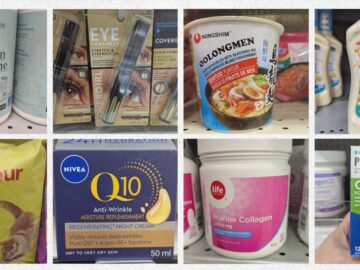
    The latest Seafood Progress assessment shows major Canadian retailers exclude some direct products like fresh, frozen or shelf stable seafood, and most indirect products where seafood is an ingredient such as supplements, beauty products and pet food.

    From fish oil, to salad dressing, to mascara, seafood is hidden in unexpected places. And in some cases, these ingredients include species at risk. For example, there are a number of species in marine collagen products that would be deemed unsustainable and/or inherently vulnerable to exploitation, particularly tuna and sharks. Additionally, found in lotions, makeup and sunscreen (among other beauty products), squalene is an ingredient often derived from sharks. In fact, 70% of shark squalene worldwide is sold to the cosmetics industry.

    In an effort to educate consumers on the types of indirect products that contain seafood ingredients, SeaChoice solicited volunteers to collect photos and information on health, beauty, pet food and shelf stable (aside from canned) products that contain seafood ingredients. Check out the full results

    In past Seafood Progress assessments SeaChoice has explored the nature and supporting elements of retailer policies (do they have timebound goals, full chain traceability, etc). However, we have found that even the most robust policies are limited in scope. This is often not well communicated as retailers market their policies in a way that suggests they apply to everything and downplay which stores and products are excluded. To shine a spotlight on this issue, SeaChoice’s latest report takes a closer look at which seafood products and stores retailers’ ethical sourcing policies actually apply to, and which they avoid responsibility for. Additionally, we took a more in depth look at which direct and indirect products Canadian retailers’ seafood policies cover. 

    The major retailers included in this report are: Costco, Loblaw, METRO, Pattison Food Group (owns Save-On-Foods and Buy-Low Foods), Sobeys and Walmart. We asked these retailers which:

    1. Brand types (private label, third-party and unbranded), 
    2. Stores (check out which stores each retailer owns), and 
    3. Product categories are covered by their sustainable seafood policies. 

    The following product categories where seafood is the main component or an ingredient of a product were considered:

    Direct Products

    • Fresh: Whole or portioned seafood, sushi, prepared seafood dishes in deli, soups, etc. 
    • Frozen: Whole or portioned seafood, prepared meals, etc. 
    • Shelf stable: Canned, jarred, and bagged products, as well as sauces, chips, oils, dressings, soups, broths, spreads, dips, etc.

    Indirect Products 

    • Health: Fish oil, supplements, vitamins, etc. (examples here).
    • Beauty: Makeup, hair products, face creams, etc. (examples here).
    • Pet food: Cat and dog food, treats, etc. 
    • Garden: Fertilizer, soil, plant food, etc. 

    The results indicate that retailers continue to shirk responsibility, as a whopping 49% of the seafood they sell is NOT covered by their sustainable seafood policies. 

    The following infographic shows the percentage of seafood each retailer’s seafood policy covers. For information on how retailers were scored, see our scoring methodology.

    Here is what stood out to us from the results:

    • Retailers are covering far more direct products at 63% than indirect products at 15%. 
    • Costco achieved the highest score at 74% and is one of two retailers whose policy covers some indirect products. However, Costco excludes the huge volume of third-party brands it sells and has no plans to cover these products under its policy. 
    • METRO covers nearly all direct products across all its stores, with the exception of shelf stable products which it only covers ‘some’ of. 
    • Pattison Food Group scored the lowest at a mere 23% as its policy does not cover ANY shelf stable, health, beauty, pet food or garden products and appears to only apply to Save-On-Foods (one of thirteen of its store chains). 
    • 11 of Sobeys’ 19 store chains are not covered by its sustainable seafood policy. 
    • None of the retailers’ policies cover any garden products that contain seafood. 

    Additionally, SeaChoice would like to acknowledge Loblaw for being the only retailer whose policy covers all health, beauty and pet food products. However, a major chain and significant seafood seller, T&T Supermarket, is still excluded from Loblaw’s ethical sourcing policy. 

    Another important theme from this report is that retailers’ sustainable seafood policies and human rights policies prioritize private label seafood over third-party brands (e.g. Clover Leaf, Aqua Star and High Liner). This follows a global theme of retailers not taking responsibility for products that they don’t own. 

    As mounting investigations suggest slave labor and environmental abuses remain prevalent in seafood supply chains, retailers must implement a due diligence approach to sourcing. However, to be in a position to identify and assess adverse impacts, retailers need to first take accountability for all the seafood they sell. 

    Send a letter to retailers demanding they stop selling unethical seafood and take accountability for their products. 

  • Report finds retailers remain silent in the wake of major seafood investigations

    Report finds retailers remain silent in the wake of major seafood investigations

    Despite mounting seafood investigations, a new report finds Canadian retailers are keeping quiet and carrying on business as usual. 

    In October of 2023, the first half of a four-part series by the Outlaw Ocean Project was released, connecting severe human rights and environmental violations in China’s fishing and processing operations to seafood products on North American shelves. Several months later, further investigations by Outlaw Ocean and Corporate Accountability Lab uncovered serious allegations in the Indian shrimp supply chain – from hatcheries and shrimp farms to processing plants. Collectively, these reports unveiled countless acts of inhumane working conditions, forced labor, child labor, severe abuse, neglect, murder, debt bondage, illegal and unregulated fishing, and more. 

    In 2024, SeaChoice activated nearly 5000 consumers to call on major retailers to stop human rights abuses in their seafood supply in response to the mounting seafood investigations. In our new Seafood Progress report, SeaChoice offered retailers yet another opportunity to comment on their action plans in response to the findings. 

    The following table outlines the responses — or lack thereof — of major Canadian retailers to the investigations and SeaChoice’s communications over the past few years:

    *‘N/A’ means the retailer was not within scope of the investigation and therefore was not implicated; however, it is important to note that all Canadian retailers sell significant volumes of shrimp. 

    **Pattison Food Group owns 13 major store chains, including Save-On-Foods and Buy-Low Foods. 

    It is important to note that Pattison Food Group – who consequently received the worst score across all retailers on Seafood Progress at 14% – was not directly implicated in any of the investigations, but sells many seafood products of brands that were. For example, a private label seafood supplier of all retailers – Premier Marine Canada – as well as various third-party brands commonly sold by retailers (including Aqua Star, High Liner and Toppits) were implicated in the Outlaw Ocean China investigation. 

    The table above illustrates that, despite various opportunities to comment on the investigations, most retailers have remained silent. 

    Those that did respond made stale promises to investigate the findings and relayed that they rely on suppliers and/or flawed certification and audit schemes to remedy the infractions. METRO is the only retailer to have provided an adequate response (see ‘Seafood Investigations’ section on pg 1 of METRO’s profile) to the Outlaw Ocean’s India shrimp report findings. 

    The report also found retailers exclude nearly half the seafood they sell from their sustainability policies and are not investigating the supply chains of their third-party seafood brands for human rights abuses. 

    While private label brands (e.g., Kirkland Signature and Western Family) fall under retailers’ sustainability and human rights policies, third-party brands (e.g., Aqua Star and Toppits) on the same shelves often don’t — even though retailers continue to profit from these products. This is a trend across all retailers and leaves a major responsibility gap in oversight. 

    Additionally, retailers own several well known store chains, many of which are excluded from their seafood policies. For example, while Loblaw’s seafood commitments apply to Superstore, they do not apply to major seafood seller T&T Supermarket. Retailers also aren’t applying their ethical sourcing commitments to the seafood ingredients in indirect products like pet food and fish oil.

    The investigations on seafood supply chains are piling up, and retailers simply can’t afford to consciously avoid taking responsibility for seafood products tainted by human rights and environmental crimes anymore. Our report found that none of the retailers are incorporating worker perspectives into their sourcing decisions, which is critical to effective due diligence. With due diligence legislation gaining momentum, and voluntary certifications and social audits failing to detect abuse, it’s time for retailers to proactively implement a due diligence approach to sourcing all their seafood.

    Send a letter to retailers demanding they stop selling unethical seafood and take accountability for their products.