On June 3rd, 2026 the United States Trade Representative (USTR) released findings from investigations into 60 countries regarding their efforts to prohibit the importation of goods made with forced labour. The findings revealed Canada is failing to effectively enforce its existing import ban. The U.S. is proposing a 10 percent tariff for goods other than those covered under the Canada-US-Mexico Agreement.
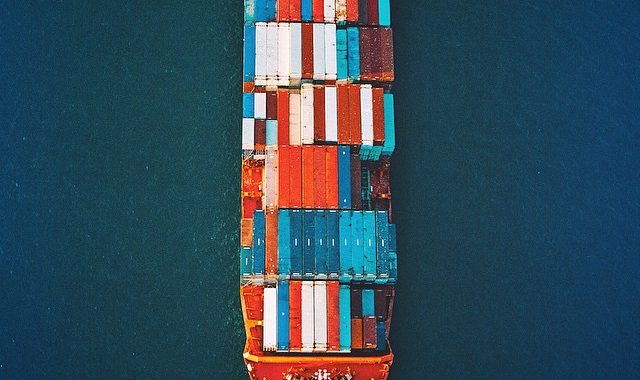
While SeaChoice does not support the proposed tariff, the findings highlight the critical role of traceability in enforcing Canada’s existing ban on imports made with forced labour. The investigation revealed that Canadian Border Services Agency had checked a mere 50 shipments between 2020 and 2026, prohibiting only two (one of which was seafood). By contrast, between 2022 and 2026, the U.S. detained 41,850 shipments, prohibiting roughly half. While the U.S. volume of trade is substantially higher than Canada’s, they are clearly tracing far more suspect shipments than the Canadian Border Services Agency has done.
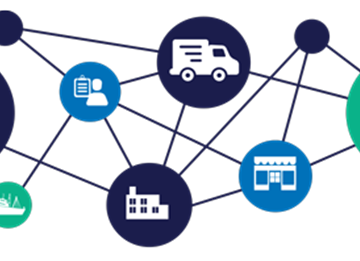
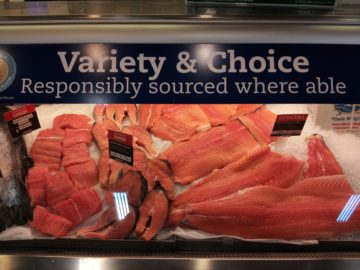
In the seafood sector, traceability is particularly significant. Seafood supply chains are recognized internationally as vulnerable to labour abuses, including forced labour, human trafficking, and other forms of worker exploitation. At the same time, seafood products often pass through multiple vessels, processors, traders, and countries before reaching consumers, making supply-chain transparency essential for effective oversight.
SeaChoice has long campaigned and continues to push for stronger laws and policies that would allow the government to identify and trace products through complex global supply chains. When products cannot be traced through the supply chain, authorities have limited ability to verify production conditions or determine whether forced labour was involved. Strengthening seafood traceability and import controls would provide regulators with better tools to assess supply-chain risks, support responsible businesses, improve consumer confidence, and enhance the implementation of existing laws intended to prevent products linked to forced labour from entering the Canadian market.
Following the release of the findings, the Canadian government responded and noted there would be upcoming amendments to the forced labour-related legislation. SeaChoice looks forward to engaging with these proposals when tabled.