SeaChoice is a signatory on the following letter originally published at https://globallaborjustice.org/news/seafood-working-group-letter-to-companies-on-addressing-forced-labour-risks-in-msc-certified-fisheries/
March 2026
We, the Seafood Working Group (SWG), representing labour, human rights, and environmental organisations, write to express our deep concern regarding company sourcing practices that rely on Marine Stewardship Council (MSC) certification.
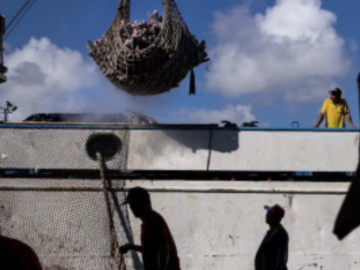
The recent Financial Times exposé, “The dark truth behind supermarket tuna,” revealed that several major retailers in the United Kingdom source tuna from MSC-certified distant-water fisheries where fishers experience forced labour conditions. These include physical violence, withheld pay, confiscation of identity documents, excessive working hours, extremely prolonged periods at sea without port access or access to communication, and inadequate medical care.
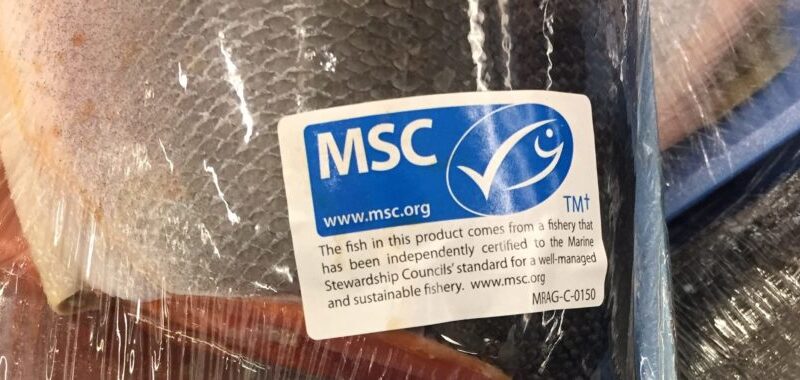
The Financial Times exposé demonstrates, in real terms, how seafood produced under forced labour conditions continues to enter retail markets because of company sourcing practices that rely on MSC certification. Due to insufficient structures, processes, and policies, the MSC continues to certify high-risk fisheries where forced labour indicators are present. Despite this, retailers’ and seafood companies’ sourcing policies are environmentally framed and lack meaningful labour-rights criteria, allowing MSC certification to be treated as sufficient justification for sourcing decisions (see footnote). As a result, companies—such as those implicated in the United Kingdom—source from high-risk distant-water fleets on the basis that those fleets are MSC-certified.
In response to public criticism of its model, the MSC has recently stated that it has removed third-party labour audits from its pre-entry certification requirements at the processing level, citing concerns about their effectiveness in identifying forced and child labour. In announcing the change, which the MSC describes as its “evolving approach to forced and child labour,” the MSC asserts that it will now support businesses in meeting their own human rights due diligence obligations under the UN Guiding Principles on Business and Human Rights (UNGPs) and OECD Guidelines for Multinational Enterprises on Responsible Business Conduct (OECD Guidelines). Given that the MSC describes its mandate as ending overfishing, it is unclear how it could support companies in meeting human rights due diligence obligations, which include labour and human rights impacts.
The SWG’s position is that the MSC’s revised approach will not reduce any risk of forced labour at the vessel level, and therefore the reputational and legal risk companies face from sourcing MSC-certified seafood are still present. The MSC will likely continue certifying seafood produced under forced labour conditions, as the underlying reasons this occurs, as raised in the SWG’s open letter in February 2025, have not been addressed. These include:
- MSC’s Reliance on Unverified Self-Reports Fails to Address Systemic Labour Abuses
Through its social policies and processes, MSC continues to rely on unverified, company self-declarations regarding labour and human rights risks in certified fisheries. These self declarations do not reflect actual conditions on fishing vessels and fail to identify or prevent systemic forced labour and exploitation in certified fisheries. - MSC Continues to Certify Vessels Facing Forced labour Allegations
The MSC continues to only exclude vessels from its programme following formal conviction and does not suspend certification where there is credible evidence or ongoing investigation of forced labour. This allows seafood produced under exploitative conditions to continue entering markets as MSC-certified, as evidenced by the cases featured in the Financial Times article. - MSC’s Business Model Creates an Inherent Conflict of Interest for Effectively Addressing labour and Human Rights Abuses
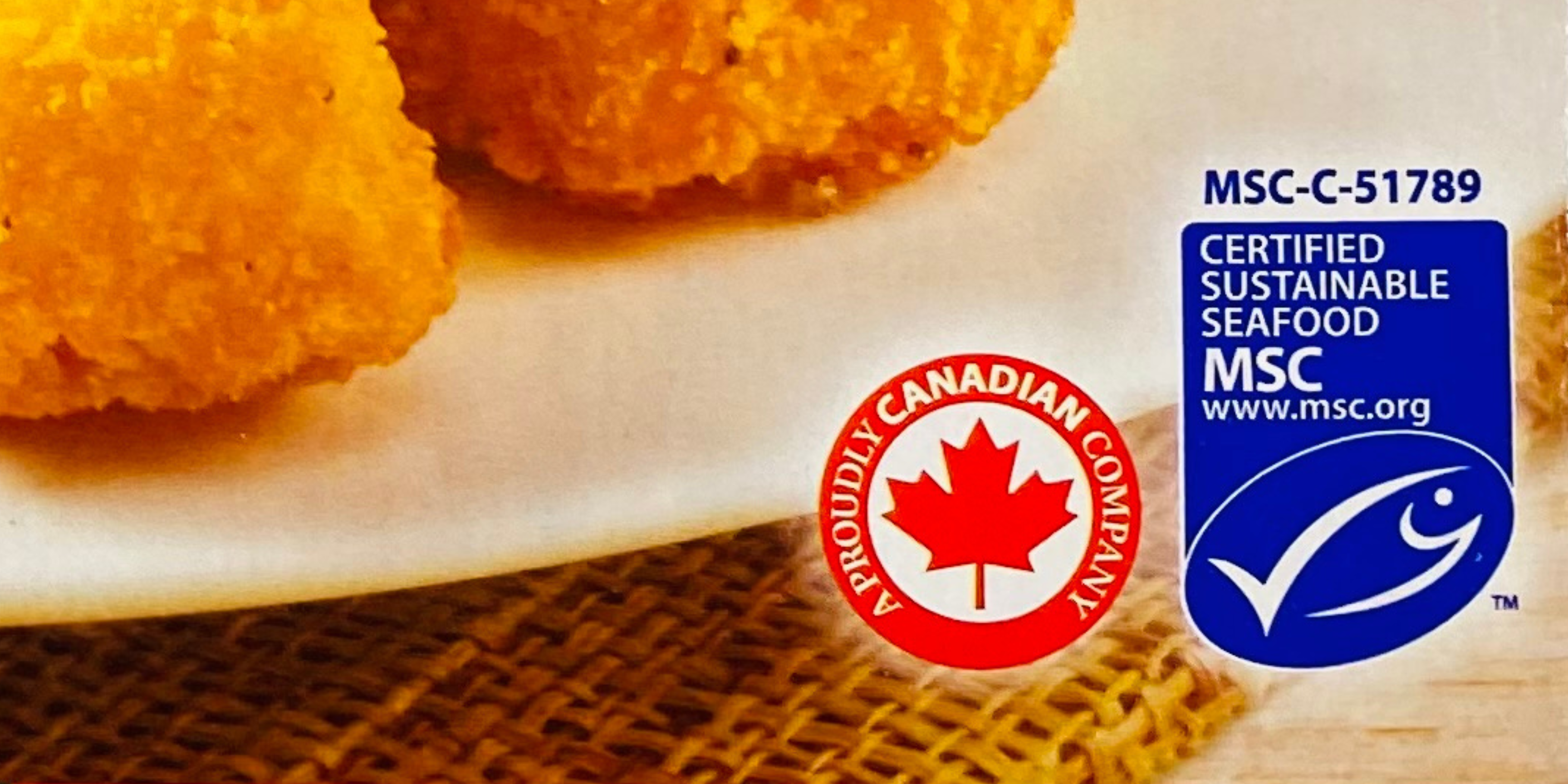
The MSC derives 93.6% of its revenue from logo licensing on certified products, creating a structural incentive to retain fisheries within its programme even where labour abuses have been reported.
Moreover as SWG members and letter signatories have previously asserted:
- Supermarket Sales of MSC-Certified Products Produced under Forced Labour Conditions Betray Consumer Expectations
It is not transparent to all stakeholders, particularly consumers, that seafood certified by MSC can be produced under conditions of forced labour and exploitation. By relying on MSC certification as sufficient justification for sourcing decisions, retailers create a risk that consumers may unknowingly purchase seafood linked to forced labour conditions, contrary to their ethical expectations, purchasing preferences, and the standards they reasonably expect supermarkets to uphold.
As the SWG previously outlined in its open letter to the MSC in February 2025, “relying solely on the MSC ecolabel for sourcing decisions without considering labour issues exposes both workers and companies to risks.” To address these risks, companies must take responsibility for ensuring that their sourcing practices incorporate labour rights criteria and do not depend solely on certifications such as the MSC. To achieve this at minimum, companies must commit to the following:
- End Reliance on MSC Certification as Evidence of Responsible Sourcing Companies must end the practice of using MSC certification as the principle justification for sourcing decisions and ensure that meaningful labour and human rights criteria also drive sourcing choices and are subsequently clearly outlined in company policies.
- Ensure Human Rights Due Diligence Is Applied Independently of MSC Certification
In our view, MSC does not have the expertise to act as a credible partner to companies in assisting with the implementation of Human Rights Due Diligence (HRDD) consistent with the UNGPs and OECD Guidelines. In addition, emerging due diligence regulations increasingly recognise that certifications schemes are insufficient to meet HRDD requirements. For example, the EU’s Corporate Sustainability Due Diligence Directive does not permit companies to use certifications as proof of fulfilling due diligence obligations nor to provide a safe harbour from liability. As such, companies should not rely on or engage with the MSC for the purpose of fulfilling their HRDD obligations. Under these standards, companies retain ultimate responsibility for conducting and cascading HRDD throughout their supply chains, meaningfully engaging with workers, ensuring the prevention, identification, and mitigation of human rights impacts — including forced labour — and effectively addressing harms they cause or contribute to. - Move Beyond MSC Certification by Adopting Legally Binding Solutions with Independent, Democratic Trade Unions to Protect Labour Rights Because MSC has been shown to certify seafood products produced under forced labour conditions, MSC certification should not be used as the sole justification for sourcing decisions. Instead, companies must move beyond voluntary certification frameworks by adopting legally binding mechanisms with independent, democratic trade unions to protect labour rights. Mechanisms such as Collective Bargaining Agreements (CBAs), democratic union engagement, and, where relevant, Enforceable Brand Agreements (EBAs) remain the most effective methods for preventing forced labour. Where unionisation is not possible — such as where national legal restrictions apply — companies should establish legally binding agreements with democratic worker organisations.
These steps are essential given the clear evidence that labour abuses persist in MSC-certified fisheries. Companies must ensure that their sourcing practices proactively protect fishers’ rights, and cease to rely on certification systems that fail to detect or address forced labour.
Sincerely,
The Seafood Working Group
Footnote: Sustainability claims made by the MSC and companies reliant on the certification have been consistently challenged by environmental NGOs, and concerns regarding the certification of unsustainable fisheries have been documented by organizations such as On the Hook, Make Stewardship Count, Bloom, and Shark Guardian