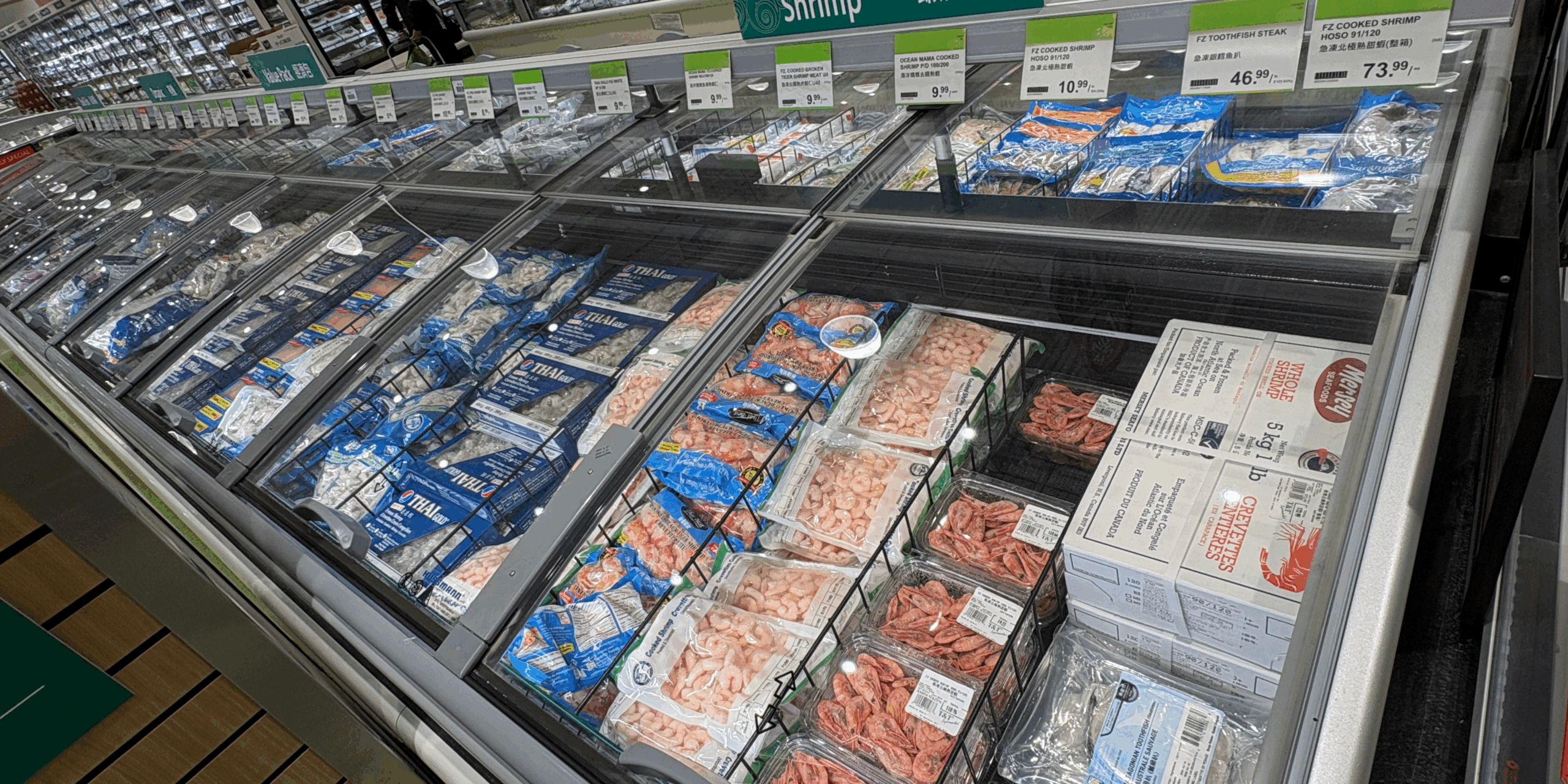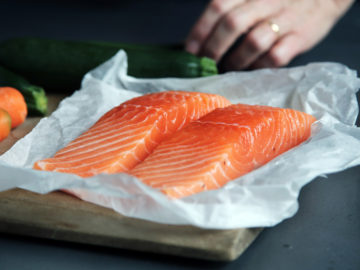
A package of farmed salmon or shrimp tells us little about what those animals ate – or about the people and ecosystems affected by the production of their feed.
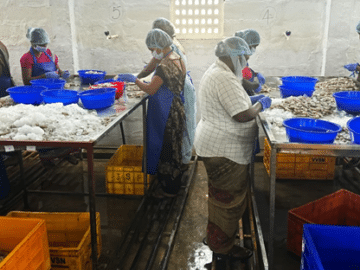
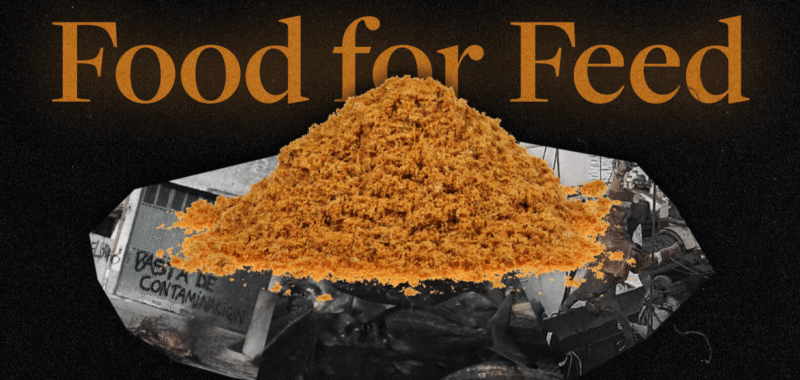
The Outlaw Ocean Project’s latest investigation, Food for Feed: The Price Paid Beyond the Plate, brings this largely hidden part of seafood production into view. The nonprofit journalism organization spent five years investigating the global fishmeal and fish oil industry, mapping more than 1,400 factories in 64 countries. Its reporting documents forced labour, preventable worker deaths, pollution, illegal fishing, and damage to coastal livelihoods across the supply chains supporting farmed seafood.
The investigation identifies supply-chain links to Canadian retailers, including Walmart, Sobeys and Metro. But its significance extends to every supermarket, given that more than half of our seafood now comes from aquaculture. The connections uncovered offer a window into a much larger industry – and a warning that retailers need to look further upstream.
The hidden supply chain behind farmed seafood
Fishmeal and fish oil are produced by processing whole wild fish or seafood by-products into ingredients for animal feed. According to the FAO’s 2026 State of World Fisheries and Aquaculture report, aquaculture consumed over 90 percent of global fishmeal and about 64 percent of fish oil in 2024. These ingredients, used to raise species such as salmon and shrimp, can connect a single farmed salmon fillet or a package of shrimp on Canadian supermarket shelves to fisheries and factories across several continents.
Global harms, Canadian connections
In The Gambia, Outlaw Ocean documents how demand for fishmeal further pressures already depleted fish populations. The industry uses species such as bonga and sardinella—fish that coastal communities rely on for food and livelihoods. Fishmeal factories compete with local buyers for these catches, driving up prices and worsening food insecurity. The reporting highlights warnings that both round and flat sardinella populations are at risk of collapse.
The investigation also traces a link to Canadian supermarket shelves. From The Gambia, fishmeal becomes feed in Vietnam, then is shipped to some of the country’s largest shrimp farms. These farms supply major grocers in Canada, including Walmart and Sobeys, according to Outlaw Ocean.
In Peru, Outlaw Ocean documents serious concerns in the anchoveta fishing industry that supplies fishmeal and fish oil. Its investigation identified at least 140 vessels linked to alleged illegal fishing infractions between 2018 and 2025, including exceeding quotas, catching excessive numbers of juvenile fish, and entering marine protected areas. The reporting also documents wastewater pollution from fishmeal factories and fatal workplace accidents. These ingredients enter global farmed seafood supply chains, including salmon farms.
The investigation’s Canada report shows that feed-related impacts also reach domestic seafood production. Canada imported more than 55,000 tonnes of fishmeal in 2024 and, as of 2025, had at least seven plants producing fishmeal and fish oil. The reporting examines pollution concerns around Canadian processing plants and pressures on fish populations used by the industry.
Certification cannot replace due diligence
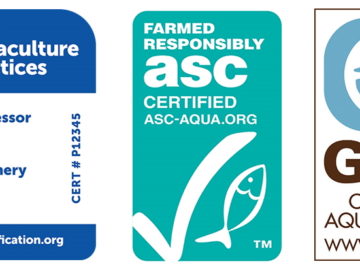
For SeaChoice, the investigation reinforces concerns already identified through our Seafood Progress assessments – particularly about the assurances behind “sustainable” and “responsibly sourced” seafood claims. Researchers and advocates interviewed by Outlaw Ocean highlight gaps in traceability, reliance on announced audits and potential conflicts of interest in industry-funded certification systems.
For farmed seafood, meaningful scrutiny must extend beyond the farm to the vessels that catch feed fish, the factories that process them and the mills that manufacture feed. Otherwise, environmental damage and labour abuses can remain hidden while certification lends credibility to the final product.
While certification and supplier assurances can inform sourcing decisions, they cannot replace a retailer’s own responsibility to identify risks, investigate credible evidence and take effective action – in other words, implementing due diligence across their supply chains.
Yet our 2025 Seafood Progress report, Conscious Avoidance, found that Canadian retailers over-rely on certifications instead of implementing due diligence practices. It also found that retailers excluded nearly half the seafood they sold from their sustainability policies. Half the retailers also failed to trace critical information on all their seafood products back to source.
Feed adds another layer to that accountability gap. A retailer may know which farm produced its salmon while knowing much less about the fisheries, factories and workers behind the feed.
What Canadian retailers should do now
Retailers need to extend their human rights and environmental due diligence throughout the supply chain, including feed. That means:
- Establish traceability systems: Identify feed manufacturers, fishmeal and fish oil producers, and source fisheries connected to farmed seafood.
- Investigate the findings: Examine the specific relationships documented by Outlaw Ocean and publish meaningful responses.
- Act on harm: Work with suppliers, workers and affected communities to prevent further harm and support remedy where appropriate.
- Cover everything they sell: Apply environmental and human rights expectations to private-label and third-party seafood. Include all stores and banners owned.
- Demonstrate results: Report what changed, including reductions in environmental impacts and improvements for workers and communities.
Shoppers should be able to trust that responsible seafood claims reflect the full story behind a product.
Canadian retailers have purchasing power to demand greater transparency and better practices. Food for Feed gives them further evidence to act – and Canadians further reason to expect that they will.
Explore the investigation and follow the connections through Bait to Plate.