Aquaculture
Aquaculture, or farmed seafood, has the potential to become a viable solution to the increasing demand placed on our oceans — but to do so, this “blue revolution” must ensure green practices.
Today, half our seafood comes from aquaculture, making it the world’s fastest-growing food production system. The sector’s exponential growth has experienced environmental and social challenges. However, technological solutions and science continue to progress. In most cases the industry can mature sustainably while minimizing its impacts, if the necessary policies and regulations are put in place to implement solutions.
How and What We Farm Matters
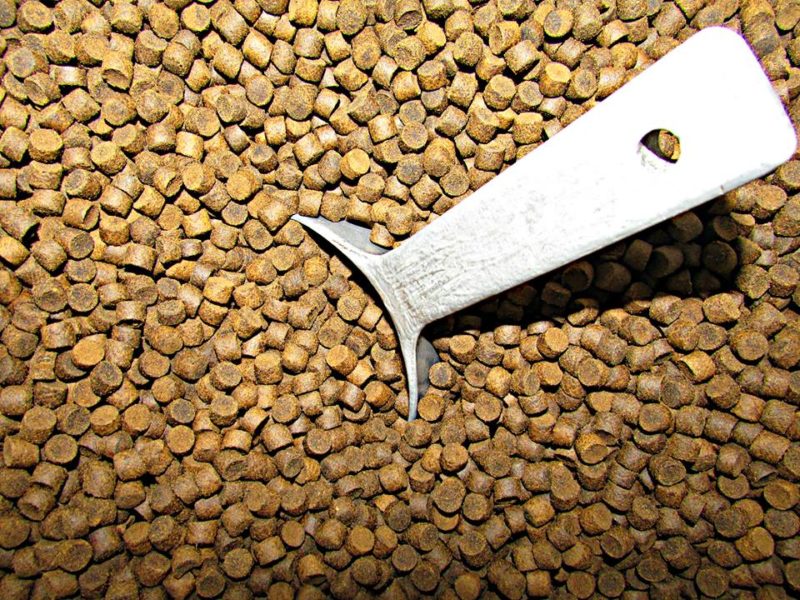
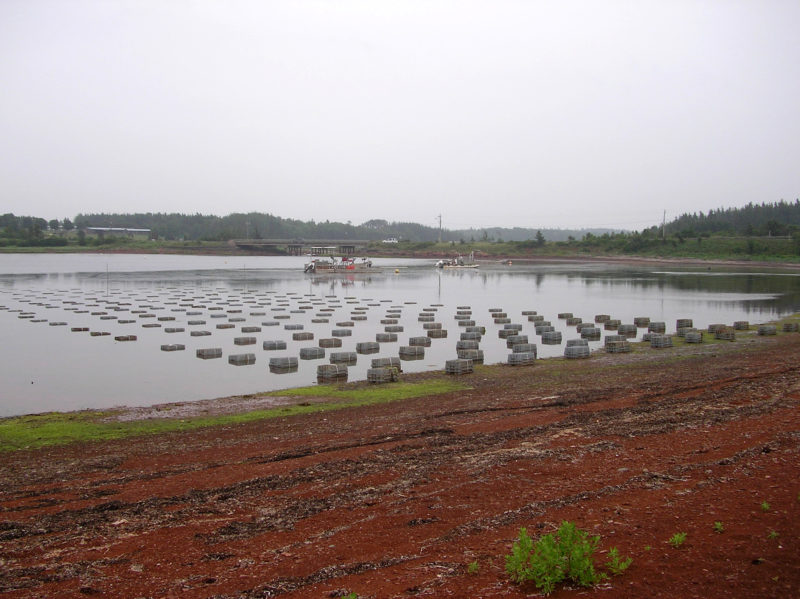
The production systems and farming methods used for farmed products contribute to their overall environmental impact.The species raised is equally important. For example, carnivorous fish and shrimp require commercial feeds made with wild fish, which can deplete their stocks, but farmed shellfish require no commercial feed at all.
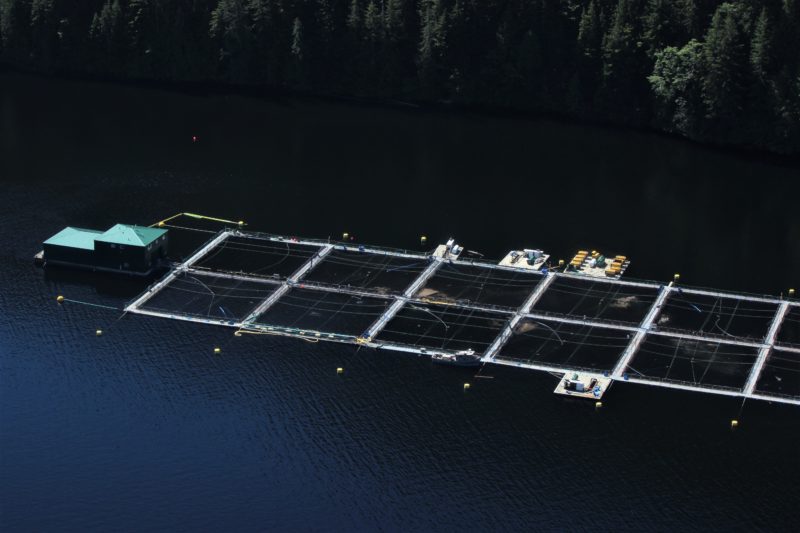
Effective government policy and regulations, ecosystem or area-based management, and farm site best practices are all crucial in managing the environmental risks aquaculture can pose to our oceans and wild fish.
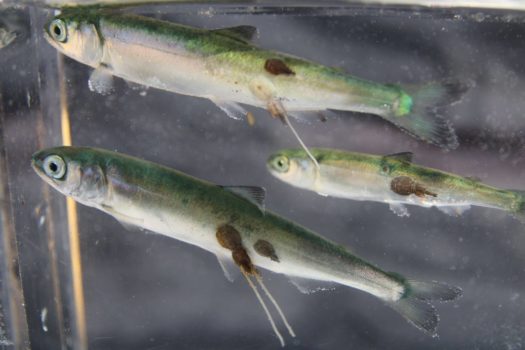
In scenarios where farming methods and/or management are inadequate, aquaculture systems can have negative consequences for wild species and the aquatic environment. Learn more about the sustainability considerations for farmed seafood and what can be done to mitigate them.
187,000
metric tonnes of seafood is produced by aquaculture in Canada
2/3
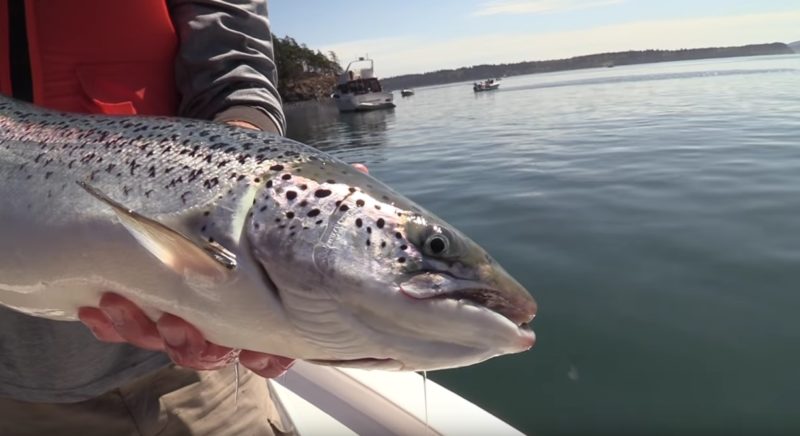
of Canada’s farm production is farmed salmon
~50,000
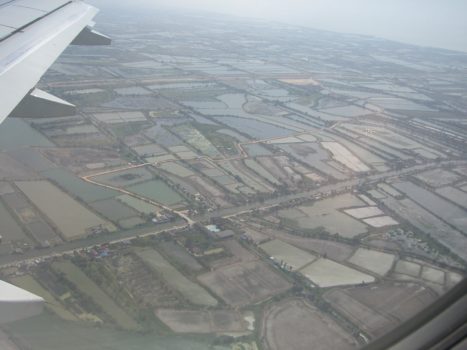
metric tonnes of farmed shrimp imported into Canada in 2015