Certifications
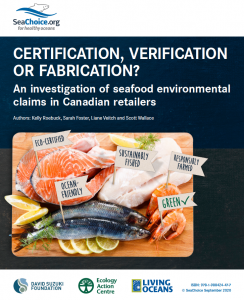
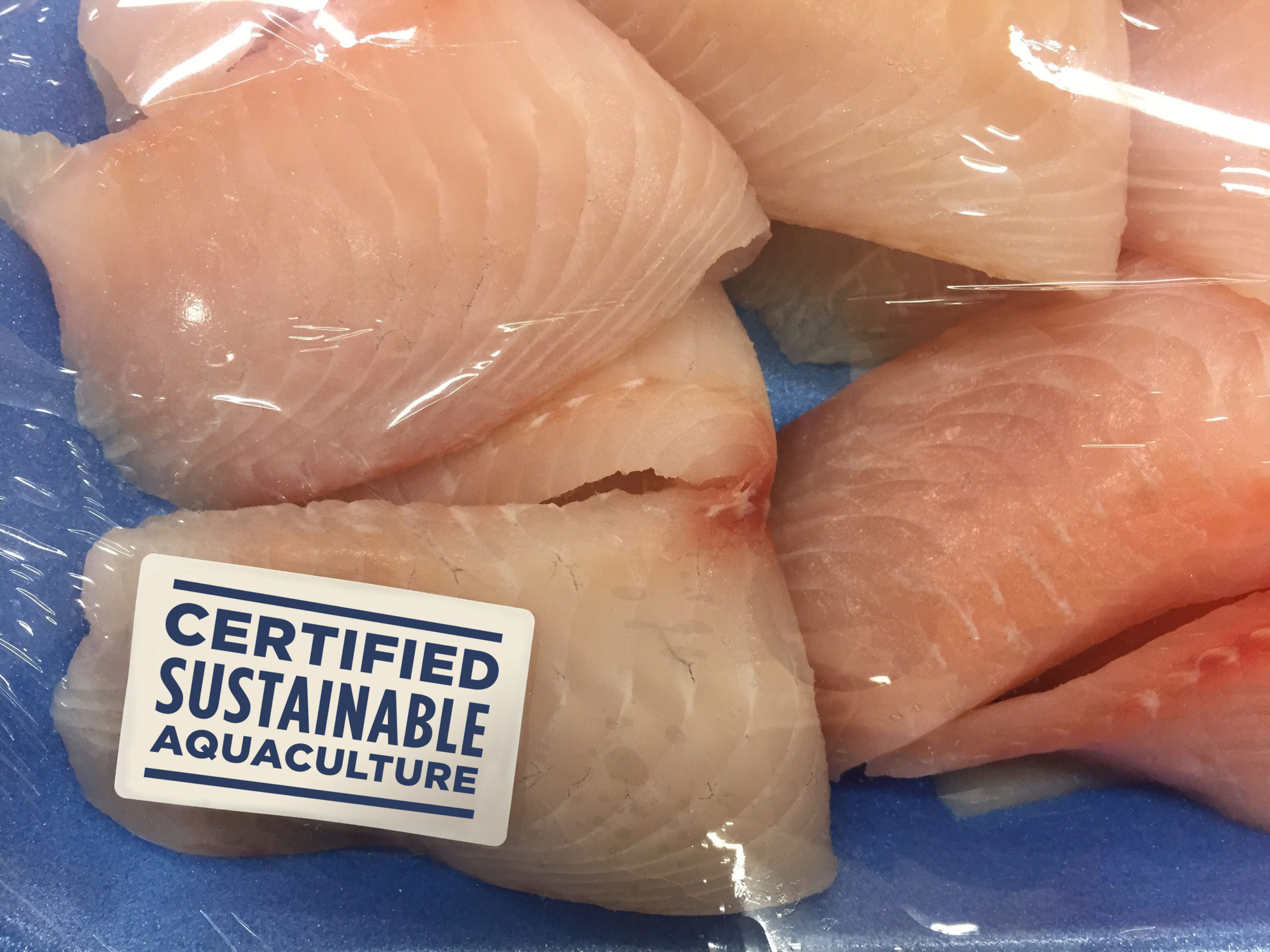
Certifications logos and claims have flooded the seafood marketplace in recent years. Certifications can play important roles for traceability, chain of custody and reassurance for the public - but not all are created equal!
Some certifications are questionable vs. credible. Let’s try to cut the confusion. Here is a quick guide for when looking at ‘sustainable seafood’ certifications.
The Role of Certifications for Companies:
Certifications need to compliment and fit into a company’s Sustainable Seafood Policy and be credible.
A credible eco-certification:
- Is transparent about who is involved in the certification process and what process will be used from start to finish. Provides updates on progress and challenges
- Is multi-stakeholder, including a diverse and balanced group of representatives from the seafood industry, science, non-governmental sectors, and the local community
- Is based on scientific evidence and is independent
- Has a process for on-going improvement, with periodic reviews to address new scientific findings
- Is verified by a third-party, avoiding the potential conflict of interest of having the standards owner also certify the standards
- Monitors and evaluates progress to determine eligibility for re-certification
- Addresses key environmental impacts based on independent science
Aquaculture
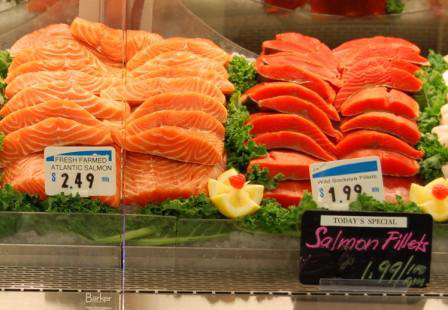
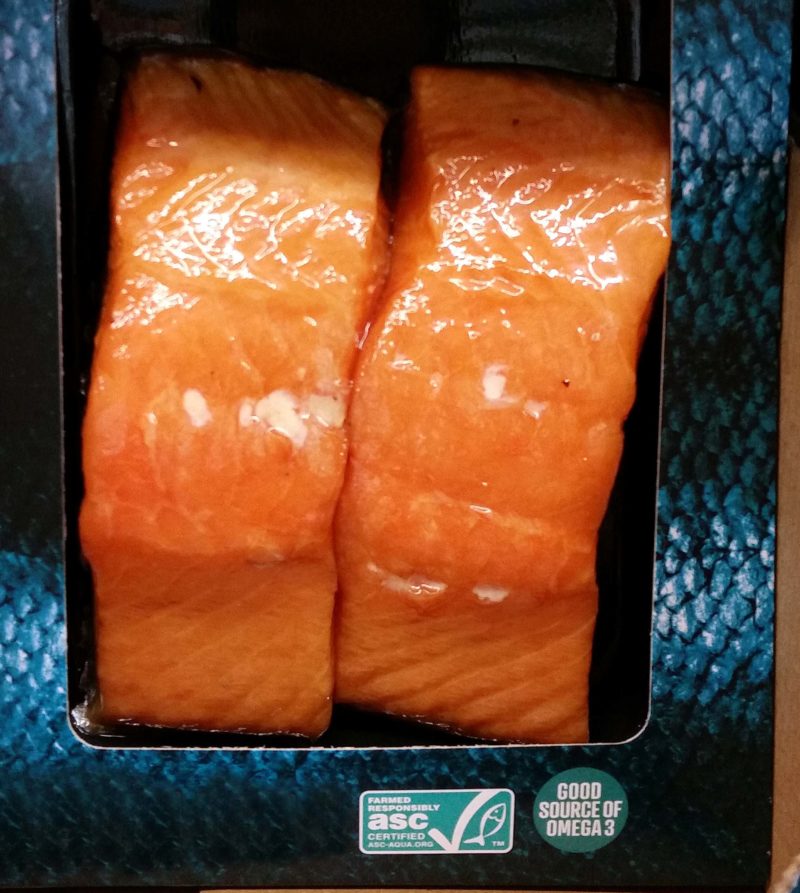
Aquaculture ‘sustainability’ certifications are relatively new in comparison to wild fishery certifications. Many existing certifications in the market are based on food quality or agriculture certification. In response to the marketplace, companies are now adding ‘eco-labels’ to their rosters of products.
Aquaculture certification companies include Global Good Agriculture Practices (GLOBALG.A.P.), Global Trust, Friends of Sea, and the Global Aquaculture Alliance (GAA). A number of these certifications are run by industry trade associations or industry led to support their interests.
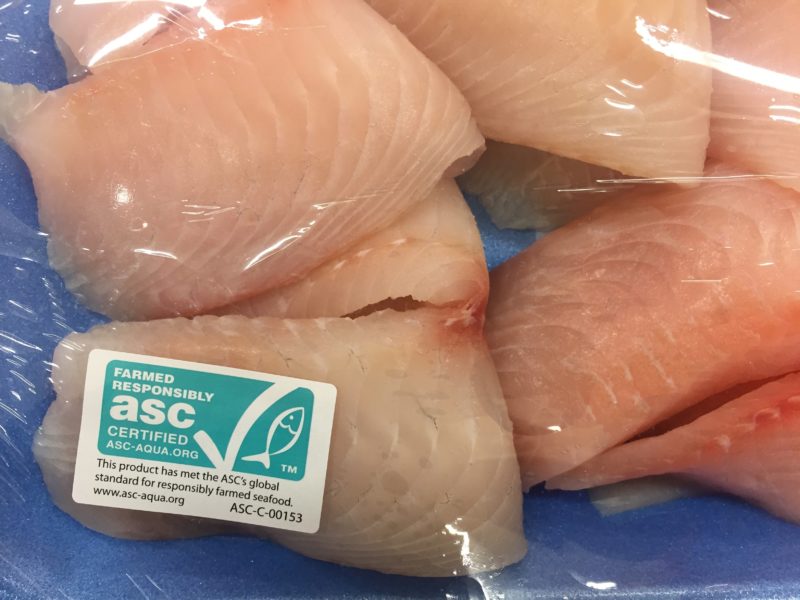
Currently awaiting full development is the Aquaculture Stewardship Council (ASC). Developed by a multi-stakeholder process, initiated by World Wildlife Fund (WWF) and based on ‘aquaculture dialogues’ for 7 key species: abalone, bivalve, freshwater trout, pangasius, salmon, seriola and cobia, shrimp and tilapia.
Organics
Organics does not necessarily equate to ‘sustainable’. Existing and draft organic aquaculture standards do not effectively address waste, escapes, predator deaths, parasite and disease transfer concerns associated with open net pens, allow for pesticides use, and have weak requirements on organic feed (for example – allowing for unlimited use of wild fish feed). Organic aquaculture standards are under development by the U.S. and Canada. Existing organic aquaculture standards are in Europe.
Better than the Rest? A Resource Guide to Farmed Salmon Certifications
Download an in depth review of farmed salmon certifications prepared by the Coastal Alliance for Aquaculture Reform.
Wild Fisheries
Marine Stewardship Council
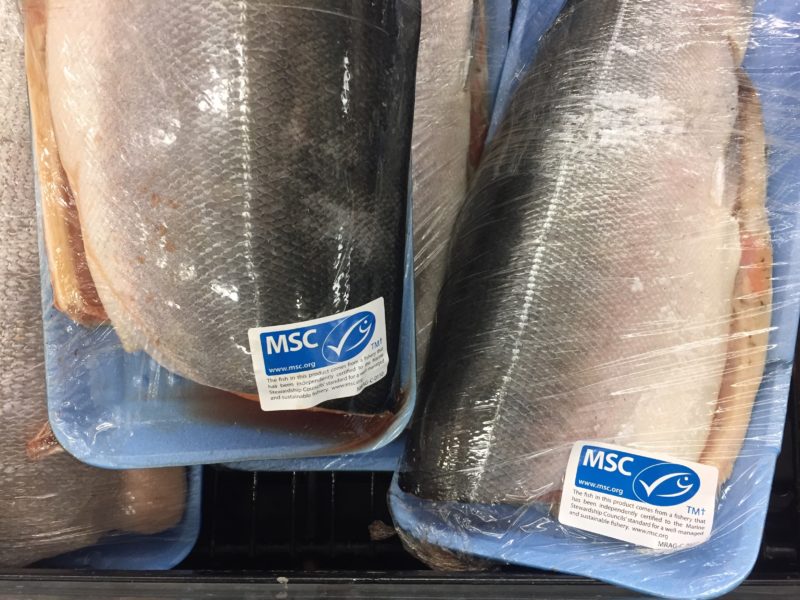
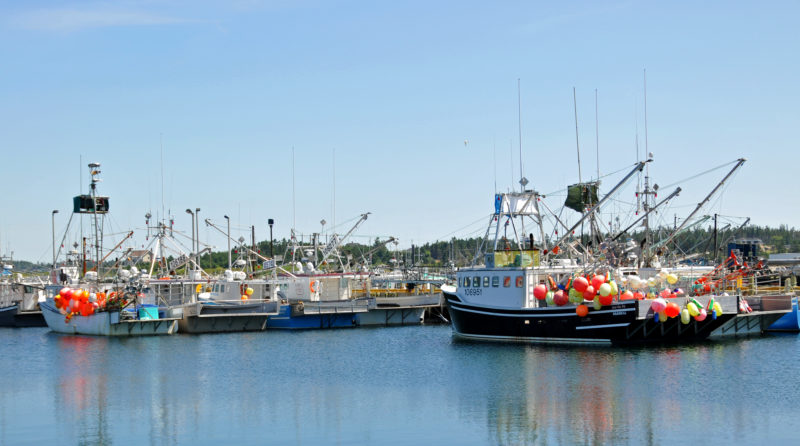
The Marine Stewardship Council (MSC) is an independent non-profit organization with an eco-label and fishery certification program. MSC was founded in 1997 by World Wide Fund for Nature and Unilever and became independent in 1999. MSC puts specifications on the way a fishery may improve its practices, whereas SeaChoice science-based rankings are based on the current practices in use. The MSC has two standards, for sustainable fishing and seafood traceability. Fisheries and seafood businesses voluntarily seek certification by third parties that they are following the relevant standards, which meet the world’s “best practice” guidelines for certification and ecolabelling.
The MSC standard considers the following in certifying a fishery sustainable:
- Sustainable fish stocks: Fishing level must be sustainable for the population of the species, not overexploiting the resource.
- Minimizing environmental impact: The fishing operation must not interfere with the ecosystem on which the fishery depends.
- Effective management: The fishery must meet all laws (local, national and international) and respond to changing circumstances to maintain sustainability.
MSC’s chain of custody standard for seafood traceability ensures that fish sold with the MSC eco-label comes from a certified sustainable fishery, and that all companies in the supply chain, from boat to plate, have the certification. This keeps illegally caught seafood out of the supply chain and promotes traceability.
There are cases where species are MSC certified as sustainable and labelled as Avoid or Some Concerns by SeaChoice. This is because SeaChoice ranks based on a current assessment of the fishery, whereas MSC grants certification while placing conditions that the fishery must meet over a five year time period. In other cases, SeaChoice is more specific (for example considering that hook-and-line-caught haddock is less damaging than bottom trawl, whereas MSC certifies the entire fishery with different conditions on trawl, gillnet and longline, depending on the level of ecosystem damage). SeaChoice evaluates the different types of gear used in a fishery – for example bottom trawls versus bottom longlines, troll versus surface longlines. MSC does not assess any species under review by the Committee on the Status of Endangered Wildlife in Canada (COSEWIC), rather only species actually listed under the Species at Risk Act. For example, the swordfish longline fishery has been recommended to be certified to the MSC standard, despite the fact that over 100,000 sharks and 1400 sea turtles are caught as bycatch every year in this fishery. In contrast, SeaChoice lists swordfish caught by longline as Avoid, until measures are taken to significantly reduce bycatch, particularly of endangered and vulnerable species. MSC has placed conditions on this fishery, that when/if the fishery is certified steps would be taken to mitigate bycatch, but these steps may not necessarily be for all species. There is considerable input and lobbying going on for MSC to tighten their standards.